Genuine vs Fake Car Spare Parts in Kenya: How to Tell the Difference
Every Kenyan driver has heard the story: brake pads that wore out in three weeks, a spark plug that cracked inside the engine, a shock absorber that leaked before the receipt had faded. Counterfeit car spare parts are cheap, easy to find and often look almost identical to the real thing. Telling them apart takes a little knowledge and a few simple habits.
This guide explains how to tell genuine car spare parts from fakes in Kenya: what “genuine”, “OEM” and “aftermarket” actually mean, which parts are faked most often, an 8-point checklist you can use at any counter in Nairobi, and what to do if you have already been sold a counterfeit. We sell and fit genuine parts at Integra Motors Garage in Karen, so we have an interest, but every check below works wherever you buy.
The Short Answer
A genuine spare part carries the manufacturer’s part number, correct branding and quality packaging, is sold by a supplier who names that part number on your invoice, and is priced in line with the market. Counterfeits usually fail at least one of those tests: blurry print, a missing or wrong part number, a suspiciously light weight, or a price far below everyone else’s.
- Check the part number against your vehicle (chassis code and year), not just the make and model.
- Inspect the packaging and the part for print quality, finish, weight and markings.
- Get the part number on the receipt, so the seller is accountable for what they sold you.
- Be most careful with safety parts: brakes, suspension, steering and tyres.
Genuine, OEM, Aftermarket or Counterfeit: What the Words Mean
Sellers use these terms loosely, so it helps to know exactly what each one means before you compare prices.
| Type | What it is | Is it a good choice? |
|---|---|---|
| Genuine | Made for and sold under the car maker’s brand (for example, a Honda part in Honda packaging) | Yes. Exact fit and the quality the car was designed around |
| OEM | Made by the company that supplies the car maker, sold under its own brand (for example, NGK spark plugs or a known brake brand) | Yes. Often the same part as genuine, at a lower price |
| Quality aftermarket | Made by an independent brand to fit your car, with its own warranty | Often fine for non-safety parts, if the brand is reputable |
| Counterfeit | A copy that uses another brand’s name, logo or packaging without permission | No. Unknown materials, no accountability, and illegal to sell |
The important line is between the first three and the last one. A reputable aftermarket part is honestly labelled as what it is. A counterfeit pretends to be something it is not, and the deception is the problem.
How Common Are Fake Spare Parts in Kenya?
Common enough that you should assume the risk is real. A 2011 survey by Toyota Kenya, cited in research published by Kenya’s Anti-Counterfeit Authority, found that eight out of ten vehicles in the country had at least one fake spare part. The same research points to spark plugs, engine parts, and brake and suspension components as frequent targets, which are exactly the parts where failure is most dangerous.
Trading in counterfeit goods is prohibited under Kenya’s Anti-Counterfeit Act, 2008, which established the Anti-Counterfeit Authority (ACA). The law is on your side, but the easiest protection is not to buy a fake in the first place.
The Parts Most Often Faked, and What Goes Wrong
| Part | Common signs of a fake | The risk |
|---|---|---|
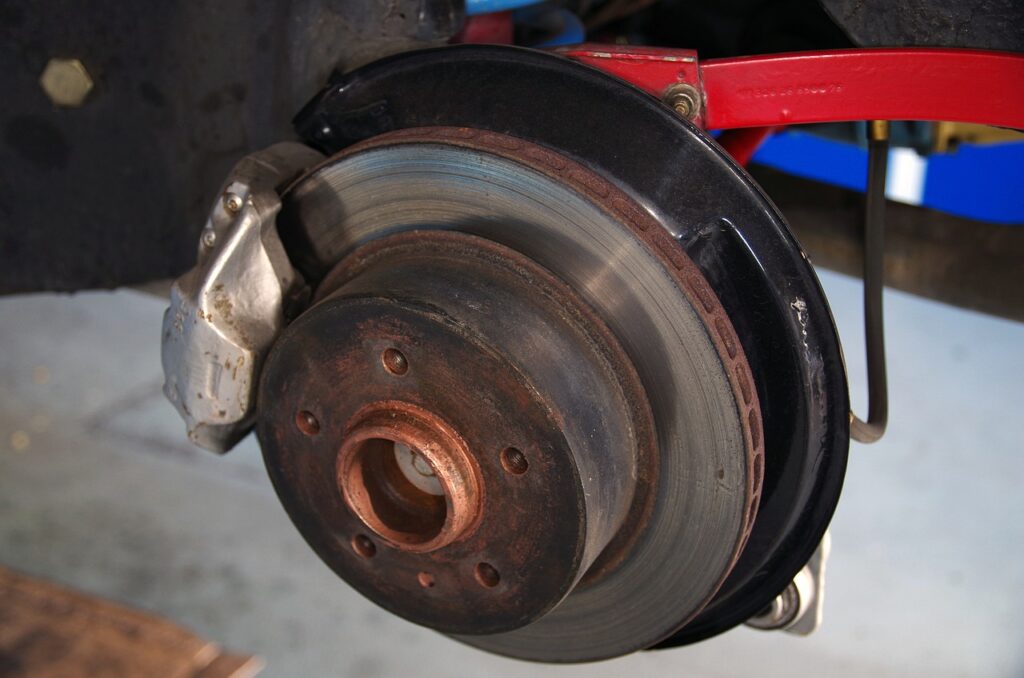
| Brake pads | Very light, crumbly or uneven friction material, poorly bonded backing plate, no wear indicator | Longer stopping distances, fast wear, scored brake discs |
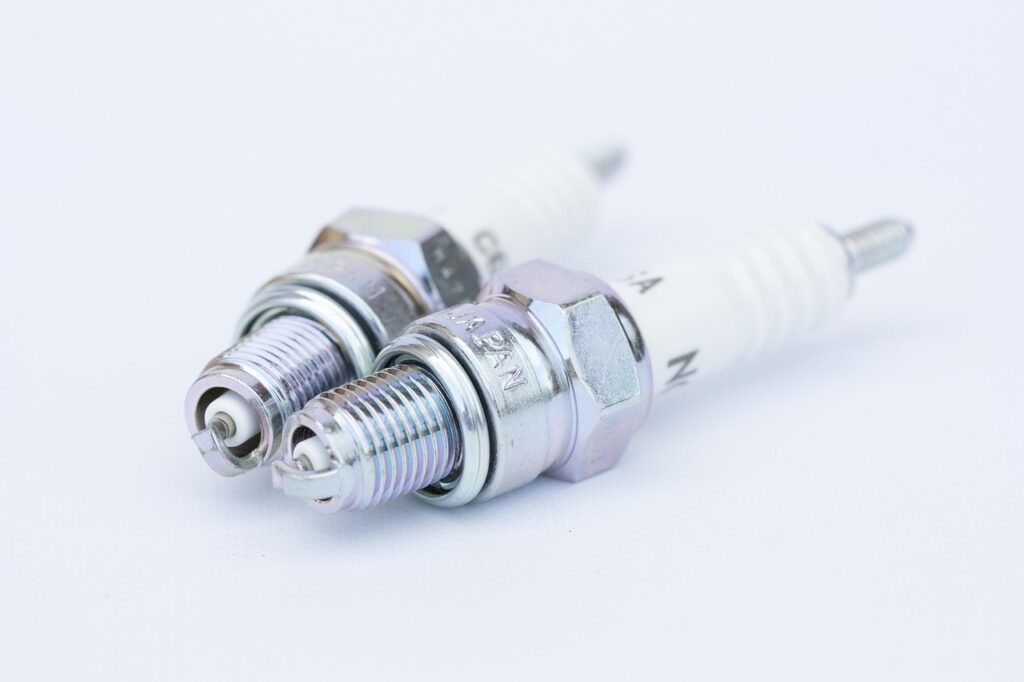
| Spark plugs | Rough threads, misaligned electrode, smudged or misspelt printing on the ceramic | Misfires, poor fuel economy, a cracked insulator inside the cylinder |
| Oil and air filters | Light weight, thin or loose filter media, weak seals, flimsy casing | Dirt and unfiltered oil reaching the engine, early wear |
| Shock absorbers and suspension bushings | Poor welds or paint, rubber that cracks or smells strongly, missing markings | Poor handling, uneven tyre wear, early knocking noises |
| Engine and gearbox mounts | Soft or uneven rubber, poor casting, no part number | Vibration, damage to exhaust and hoses, mounts tearing early |
Brakes deserve particular care. If your car is already showing warning signs, read our guide to the 5 signs your brakes need immediate attention before you buy anything.
How to Identify Genuine Spare Parts: An 8-Point Checklist
1. Start with the right part number for your exact car
“Honda CR-V brake pads” is not specific enough. A CR-V from 1999 (chassis code RD1), 2004 (RD5) and 2010 (RE) can each take different parts. Find your chassis code and year on your logbook, then ask for the part number that matches. Genuine parts carry a manufacturer number in a recognisable format, such as Honda’s 52365-S6M-004 rear knuckle bushing for the 2002–2006 CR-V.
2. Check that the part number on the part matches the box
On genuine parts the number is usually stamped, cast or cleanly printed on the part itself as well as on the label. A box number with nothing on the part, or two numbers that do not match, is a warning sign.
3. Inspect the packaging closely
Manufacturers spend money on packaging. Look for sharp printing, consistent colours and fonts, correct spelling, intact seals and, where the brand uses them, holograms or scannable codes. Blurry logos, spelling mistakes and boxes that have clearly been opened and re-taped are classic signs of a counterfeit.
4. Feel the weight and look at the finish
Counterfeiters save money on materials, so fakes are often lighter, with rough castings, sharp edges, uneven paint or threads that do not run cleanly. If you can, compare the new part with the old one that came off your car.
5. Compare the price with the market
A genuine part cannot cost a fraction of what every other reputable seller charges. As a guide, genuine Honda front brake pads in our own shop cost between KES 10,000 and KES 15,000 depending on the model. A “genuine” set offered for a small part of that price deserves serious questions.
6. Ask the seller specific questions
A knowledgeable seller can tell you whether a part is genuine, OEM or aftermarket, which brand made it, and which chassis codes it fits. Vague answers such as “it is original, it fits all of them” are not good enough for a safety part.
7. Insist on a receipt that names the part
Your receipt or invoice should show the seller’s business name, the part description, the part number and whether it is genuine, OEM or aftermarket. This makes the seller accountable, and it is the evidence you need if anything goes wrong.
8. Have it fitted by a garage that shows you the old part
A good garage checks that the part matches the car before fitting it, shows you the part it removed and puts a warranty on its work. Our checklist on how to choose a reliable car garage in Nairobi covers what else to look for.
Is OEM or Aftermarket Ever the Better Choice?
Yes. A part from the original equipment supplier, such as NGK or Denso spark plugs, is often identical to the car maker’s version and costs less. Reputable aftermarket brands can also be sensible for wear items on older cars. What matters is that the part is honestly labelled, made by a known brand and matched to your vehicle. For brakes, steering and suspension, stay with genuine or OEM parts.
What to Do If You Were Sold a Fake Part
- Stop using it if it is a safety part. Have brakes, steering or suspension checked before driving further.
- Keep the part, the packaging and the receipt. They are your evidence.
- Go back to the seller with the receipt and ask for a refund or a genuine replacement.
- Report it to the Anti-Counterfeit Authority. Kenya’s Consumer Protection Act, 2012 also protects buyers against false or misleading representations about goods.
How We Source Parts at Integra Motors
Every part in our shop is listed with its manufacturer part number and the vehicles it fits, so you can check it before you buy. We stock genuine and OEM parts for the Honda and Toyota models most common on Kenyan roads, from front brake pads for the Honda Fit and Shuttle to Toyota 90919-01247 spark plugs, and we can fit them in our Karen workshop. If we do not stock the part you need, we will tell you where it comes from before we order it.
Frequently Asked Questions
How can I tell if a car spare part is genuine in Kenya?
Check that the manufacturer part number matches your exact vehicle and appears on both the part and the box, that the packaging is sharply printed and sealed, and that the price is in line with the market. Buy from a seller who writes the part number on your receipt.
What is the difference between genuine and OEM parts?
Genuine parts are sold in the car maker’s own packaging. OEM parts are made by the company that supplies the car maker and sold under the supplier’s own brand. Both are made to the original specification, and OEM parts often cost less.
Which car parts are most often counterfeited in Kenya?
Research cited by Kenya’s Anti-Counterfeit Authority highlights spark plugs, engine parts, and brake and suspension components. Filters, engine mounts and shock absorbers are also commonly copied because they are fast-moving parts.
Are aftermarket spare parts bad?
No. Honestly labelled parts from reputable aftermarket brands can be a sensible choice for non-safety items, especially on older cars. The problem is counterfeits, which copy another brand’s name or packaging and hide unknown quality.
Where can I report fake spare parts in Kenya?
Report counterfeit goods to the Anti-Counterfeit Authority (aca.go.ke). Keep the part, its packaging and your receipt as evidence, and ask the seller for a refund or a genuine replacement.
Where can I buy genuine car spare parts in Nairobi?
Integra Motors Garage sells genuine and OEM parts opposite Galleria Mall in Karen, Nairobi, with delivery across Kenya. Browse the online parts shop by vehicle, call +254 748 813 909, or send your logbook details on WhatsApp and we will match the part for you.
Buy Once, Buy Right
A cheap fake usually costs more in the end: a second part, a second fitting, and sometimes damage to the parts around it. Match the part number to your car, check the part and its packaging, compare the price, and buy from a seller who stands behind what they sell.
Looking for a specific part? Search our genuine parts by vehicle, or book a service and let our technicians check and fit it for you.